01
SELL THE INSIGHT
Turn data, knowledge or patterns you already have into something another business would pay to know.
Find, prove, build and launch new revenue opportunities made possible by AI.
New revenue can start with something the business already has, knows, owns, accesses or does — but has never sold in that form.
Turn data, knowledge or patterns you already have into something another business would pay to know.
Use AI to deliver the result, rather than charging for all the work traditionally required to produce it.
Something you built or developed for your own business may solve the same problem for others.
AI can make customers profitable to serve who were previously too expensive or difficult to reach.
Turn something highly bespoke into an offer that can be delivered repeatedly without the same increase in cost.
A network, distribution channel, supplier base or ecosystem you already have may create value for another buyer.
A revenue opportunity starts with something the business has, knows or can do that someone else may value enough to pay for. The work is to find it, identify who the buyer could be, and prove the value before building the solution.
We start with the commercial opportunity, not an AI tool. We prove the buyer, value and business case, check technical feasibility early, then decide what technology is actually needed.
Technology selection comes later. Technical feasibility does not.
We start inside the business: what you already have, whom you serve, the problems you solve today, and what you know, own, access or do that someone else could value enough to pay for.
We do not limit the search to your current customers. The buyer could be a new customer segment, a supplier, a partner, or another part of the market you do not serve today.
Then we test the strongest opportunities with potential buyers before significant technology investment.
Once there is enough evidence that the opportunity deserves to exist, we turn it into an offer someone can actually buy.
We define what the offer will be, who it is for, what value it creates, how it will be priced, and how it will be delivered.
Then we decide what technology is needed. If an existing solution can be configured or adapted at reasonable cost, we use it. If not, we build what the opportunity requires, together with the operating model needed to deliver it.
We take the offer into the market with early buyers and learn from real use rather than assumptions.
We improve what does not work, strengthen what creates value, and build the go-to-market, delivery and operating model needed to make it repeatable.
The goal is not to launch an AI project. It is to create a new source of revenue that can grow.
AI creates two different opportunities for a business. One is to rethink how the business works. The other is to rethink what the business can sell. I use the same principle for both: challenge the assumptions before deciding what AI should change.
Processes, roles and ways of working were often designed around constraints that may no longer exist. Before using AI to improve the work, question why the work exists and whether it should still work that way.
Look at what AI changes about cost, speed, scale, access and expertise. That can make new offers, new buyers, new revenue models and new businesses commercially possible.
Question the assumptions behind how the business works and what it sells today.
Explore what becomes possible when AI changes constraints around cost, speed, scale, access or expertise.
Redesign the offer, business model or operating model around the opportunity worth pursuing.
Inside SAP across Europe and the Middle East, combined with entrepreneurial experience building e-commerce, an online booking platform and new revenue streams in industries that were — and largely still are — offline.
Her SAP career gave her a close view of how large companies adopt and use technology. Outside corporate roles, she created new revenue streams herself — including memberships, subscriptions, e-commerce and online booking — in traditionally offline industries.
Business feasibility before technology. Evidence before investment.
Ideas, questions and case studies for leaders rethinking how their business works and where new revenue could come from.
Read & subscribe →Real examples of companies challenging old assumptions, changing customer value, and finding new ways to create growth with AI and technology.
Watch on YouTube →Two practical sets of questions: Rethink the Work and Rethink What You Can Sell. Use them to challenge assumptions and open better conversations inside the business.
Ideas, examples and questions on how AI changes business logic, customer value and where new revenue can come from.
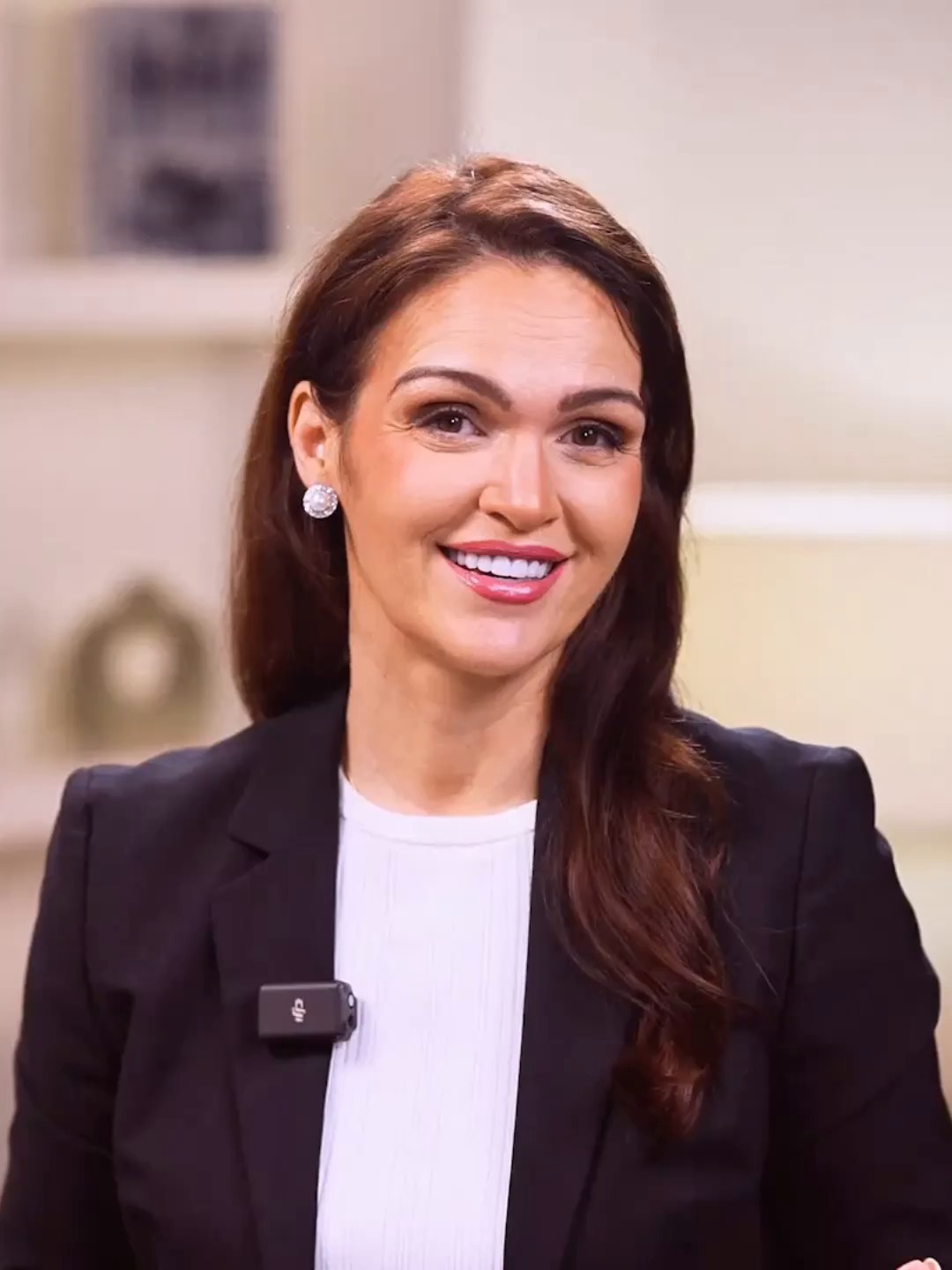
Founder, AI4Sales Edge. Jelena works with B2B leadership teams to find, prove, build and launch new revenue opportunities made possible by AI.
Her background combines enterprise technology and business transformation with hands-on experience creating new revenue streams. That shapes how she approaches AI today: start with what could create new value and revenue, prove whether someone will pay for it, then build the technology needed to make it possible.
Ask what the business could sell, who it could serve and what could become commercially possible because AI changes the constraints you used to accept.
Clear answers about what the work is, where AI is built, and how a new revenue opportunity moves from idea to market.
AI4Sales Edge helps B2B companies find, prove, build and launch new revenue opportunities made possible by AI. The work starts with the business opportunity, tests whether someone sees enough value in it to pay for it, and only then moves into building the AI solution and launching the offer.
We start with what the business already has — customers, expertise, data, technology, distribution, relationships, internal capabilities and problems it knows well — and ask what someone else might value enough to pay for. Then we look at whether AI changes the cost, speed, scale, access or delivery enough to make the opportunity commercially viable. That can include selling insights, turning an internal capability into a product, selling an outcome, serving a new segment, making customisation scalable, or creating a new revenue model.
No. Current customers are one source of evidence, not the boundary of the market. A potential buyer could be a new customer segment, a supplier, a partner or another part of the market the company does not serve today.
We identify the strongest potential opportunities, explore who could become the buyer, and test the problem, value, willingness to pay, market potential, strategic fit and technical feasibility before significant technology investment.
The production AI solution is built in Design & Build, after the opportunity has enough commercial evidence to justify building it. In Find & Prove, we may use a simple prototype, demo or manual version to test whether a potential buyer understands and values the offer. The technology does not lead the process.
Challenge the Logic™ is how I think about AI and business transformation. It starts by challenging assumptions before deciding what AI should change. That applies both to work that already exists and to what the company may be able to sell next.
The cards are practical thinking tools for leadership teams. One set helps teams rethink existing work. The other helps teams rethink what the business could sell and where new revenue opportunities may come from.
You give me a short picture of the business — what you sell, who you serve, and what you are trying to grow or rethink. I explain how I would approach finding and proving a new revenue opportunity and what the Find & Prove stage would involve. If there is a reason to continue, we agree the next step.
Have a business capability, customer problem or idea you think could become new revenue?
Book a 20-minute conversation →You do not need an AI idea before we speak. Bring the business. Tell me what you sell, who you serve, and what you are trying to grow or rethink. I will explain how I would approach finding and proving a new revenue opportunity, and we can decide whether it makes sense to continue.
Book a 20-minute conversation →